


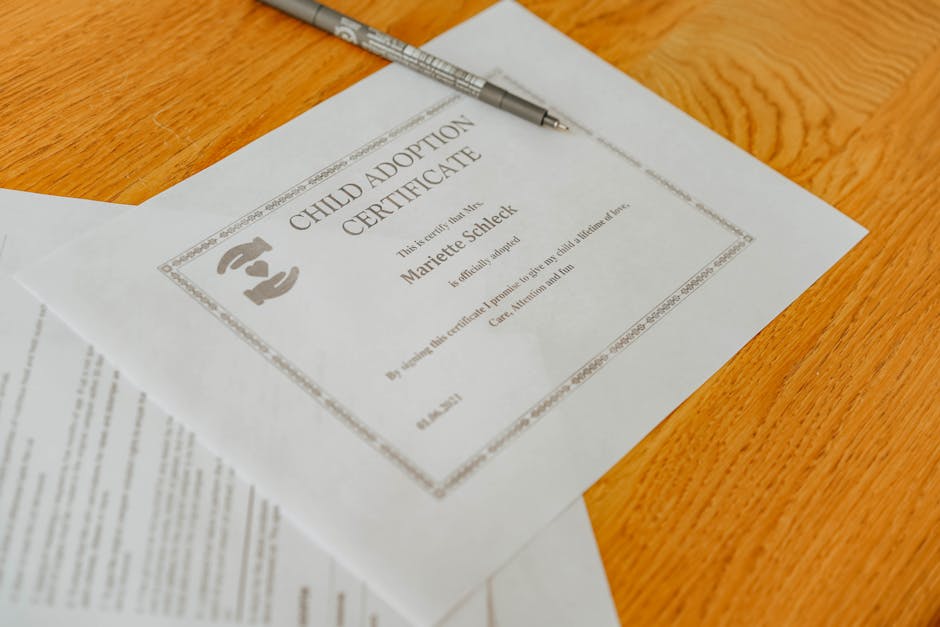
Why Understanding Adoption and Inheritance Rights Matters
Adoption and inheritance laws intersect in ways that can deeply affect your family’s future. Here’s what you need to know right away:
Quick Answer:
- Adopted children have the same inheritance rights as biological children from their adoptive parents—both through wills and when there is no will (intestate succession).
- Adopted children generally lose inheritance rights from biological parents once the adoption is finalized, unless the biological parent explicitly names them in a will.
- Stepparent adoptions are an an exception in about one-third of states, allowing a child to inherit from both the adoptive stepparent and the deceased biological parent.
- Estate planning documents must be updated after an adoption to ensure all children are clearly included and treated according to your wishes.
The legal relationship created by adoption is powerful. When a child is adopted, the law treats them as if they were born to their adoptive parents. This means full inheritance rights from adoptive parents and their extended family—but it also typically severs legal ties (including inheritance rights) to biological relatives.
According to research, approximately 2.4% of the U.S. population has been adopted. For these families, understanding how adoption affects inheritance isn’t just academic—it’s about protecting your children’s future and ensuring your wishes are honored after you’re gone.
The rules can get complicated fast. What happens in a stepparent adoption? Can an adult who is adopted inherit the same way a child can? Do open adoption agreements affect inheritance? And what if you die without a will?
The Legal Foundation: How Adoption Reshapes Inheritance Rights

When we talk about adoption and inheritance, the first thing to understand is the profound legal shift that occurs with an adoption. It’s not just a change in family dynamics; it’s a complete legal change that redefines a child’s place within a family for all legal purposes, including inheritance.
The General Rule for Adoption and Inheritance: Adoptive Parents
The moment an adoption is finalized, the adopted child legally becomes the full child of their adoptive parents. This means they acquire all the same rights and responsibilities as a biological child, and this legal equivalence extends directly to inheritance matters. Our legal system is designed to protect adoptees’ rights to their adoptive parents’ inheritance, ensuring they are treated no differently than any child born into the family.
In most jurisdictions across the United States, including Virginia, Maryland, Delaware, and Oklahoma where we practice, adopted children are generally treated the same as biological children regarding inheritance rights. This “full legal child status” means that an adopted child can inherit from their adoptive parents and, through them, from their adoptive grandparents and other relatives, just as a biological child would.
This legal principle is a cornerstone of adoption law, reflecting the intent to fully integrate adopted children into their new families. It’s why, if the need arises, an adopted child also has the right to contest or challenge their adoptive parents’ will, similar to a biological child. This ensures fairness and protects their rightful share of the estate.
For adoptive parents, this means their adopted children are automatically considered their heirs. However, we always advise creating a clear Estate Planning document to explicitly state your wishes and avoid any potential ambiguities or disputes down the line.
What Happens When There’s No Will? Intestate Succession
One of the most common questions we encounter regarding adoption and inheritance is what happens if a parent dies without a will. This situation is called dying “intestate,” and it means that state laws – not personal wishes – will determine how assets are distributed.
In Virginia, Maryland, Delaware, and Oklahoma, just like in most states, intestate succession laws are designed to distribute an estate to the nearest legal relatives when a person dies without a will. For adopted children, the good news is that they are fully recognized under these laws. This means that if an adoptive parent passes away without a will, their adopted child will inherit from them just as if they were a biological child.
For example, if a single parent with two children – one biological and one adopted – dies without a will, both children will inherit equally under the state’s intestacy laws. The law ensures that the adopted child receives their share because they are legally considered the full child of the deceased.
While the Uniform Probate Code (UPC) serves as a model for many states, influencing how they address adoption and inheritance in intestate cases, the core principle remains consistent: adopted children are considered direct heirs. This is a vital protection, but it also highlights why clear estate planning is so important. Relying solely on intestate laws can lead to outcomes that might not perfectly align with your family’s unique needs or your specific intentions, especially in blended families or complex situations. We’ll dig more into the importance of a will shortly, but for now, rest assured that the law protects an adopted child’s right to inherit from their adoptive parents, even without a will.
Navigating Complex Family Ties: Biological vs. Adoptive Relatives

One of the most emotionally complex aspects of adoption and inheritance involves the relationship between adopted children and their biological families. While adoption creates a new legal family, the emotional ties to biological relatives can sometimes remain, leading to questions about inheritance rights from birth parents or biological siblings.
Navigating Adoption and Inheritance from Biological Parents
The general rule is clear: when an adoption is finalized, it legally severs the parent-child relationship between the adopted child and their biological parents. This termination of parental rights means that, under normal circumstances, an adopted child loses the legal right to inherit from their biological parents through intestate succession (when there is no will). The Federal Child Welfare Information Gateway confirms this, stating that adoption severs the legal relationship, removing the basis for inheritance from biological parents.
So, if a biological parent dies without a valid will, and they gave a child up for adoption, that child will generally not inherit from them. It’s a clean legal break, designed to fully integrate the child into their adoptive family.
However, there’s a crucial exception: if a biological parent explicitly names their adopted child in their Wills or trust, the child can still inherit. A biological parent can always choose to leave property or money to a child they gave up for adoption by stating it clearly in their estate plan. This is a testament to the power of a will to override default intestate laws and reflect personal wishes.
This means that while the legal connection for automatic inheritance is severed, the door isn’t entirely closed. If a biological parent wishes to maintain a financial connection with a child they placed for adoption, a carefully drafted will is the essential tool to make that happen.
What About Biological Siblings and Other Relatives?
The legal severance of ties extends beyond just the biological parents. Once an adoption is finalized, the adopted child also generally loses the legal right to inherit from their biological siblings, grandparents, aunts, uncles, and other biological relatives through intestate succession. Similarly, biological siblings of an adopted child do not automatically inherit from the adoptive parents, unless they are also legally adopted by those same parents.
Conversely, an adopted child fully gains inheritance rights from their adoptive parents’ relatives. This means they can inherit “through” their adoptive parents from adoptive grandparents, aunts, uncles, and cousins, just like a biological child would. The law fully recognizes the adopted child as a member of the adoptive family tree, for all intents and purposes.
This comprehensive severance and creation of legal ties can sometimes be surprising. It reinforces the idea that adoption is a complete legal reconstitution of family, designed to provide stability and clarity for the child within their new family structure.
Comparing Inheritance Rights
To help clarify these distinctions, here’s a quick comparison of inheritance rights for adopted children:
| Feature | Inheritance from Adoptive Family | Inheritance from Biological Family |
|---|---|---|
| Intestate Succession (No Will) | Yes, treated the same as a biological child. | Generally no, legal ties are severed. |
| Through a Will | Yes, unless specifically disinherited. | Yes, if explicitly named as a beneficiary. |
| From Relatives (Grandparents, etc.) | Yes, can inherit “through” adoptive parents. | Generally no, unless specified in their will. |
Special Adoption Scenarios and Their Impact on Adoption and Inheritance

The landscape of adoption and inheritance isn’t always straightforward. Different types of adoptions, such as stepparent, adult, or international adoptions, introduce unique considerations that can impact inheritance rights. It’s in these nuanced situations that understanding the specific legal frameworks becomes even more crucial.
Stepparent Adoptions: A Common Exception
Stepparent adoptions are a very common scenario, particularly in states like Virginia where we often assist families with Adopting Stepchildren in Virginia. In these cases, a stepparent adopts their spouse’s child, often solidifying a long-standing family relationship. The legal implications for inheritance in stepparent adoptions can be a bit different from other types of adoption.
While a traditional adoption typically severs all legal ties to biological parents, a stepparent adoption might preserve a link to one biological parent. If one biological parent consents to the stepparent adoption but does not have their parental rights terminated (for example, the other biological parent is deceased), the adopted child might, in some states, retain inheritance rights from that deceased biological parent. About one-third of states have an exception that allows a child adopted by a stepparent after the death of a parent to inherit from the deceased biological parent. This creates a dual inheritance possibility, where the child can inherit from their adoptive stepparent and their biological parent.
State laws vary on this point, and understand the specific rules in Virginia, Maryland, Delaware, or Oklahoma if you are considering a stepparent adoption. This unique aspect of stepparent adoptions allows for a more flexible approach to inheritance, acknowledging the complex family structures that often arise from remarriage.
Adult Adoption vs. Minor Adoption: Key Differences
While most people think of adopting children, adult adoption is also a legal possibility, often driven by a desire to formalize a long-standing parent-child relationship or to establish clear inheritance rights. However, the inheritance implications of adult adoption can differ significantly from those of minor adoption.
When a minor is adopted, they gain full inheritance rights from and through their adoptive parents and their relatives, just like a biological child. For an adopted adult, the primary purpose of the adoption is usually to allow them to inherit directly from the adoptive parent. However, the legal effect on inheriting from other adoptive relatives (like adoptive siblings, aunts, or uncles) can be more limited.
This distinction is often governed by a concept known as the “stranger to the adoption” rule, which we’ll discuss further in the FAQ section. Essentially, while the adopted adult can inherit from the adoptive parent, they may not automatically inherit from the adoptive parent’s extended family through intestacy. This means that if an adoptive parent’s brother dies without a will, an adult adopted by that parent may not inherit from the brother, even though a minor adopted by that parent would.
For those considering adult adoption, or for parents looking to secure their children’s future as they transition into adulthood, understand these nuances. We provide guidance on topics like Understanding Adult Adoption and Inheritance Rights and Protecting Your Child as They Transition into Adulthood to ensure that your intentions are legally sound and fully realized.
Considerations for International and Open Adoptions
The world of adoption and inheritance becomes even more intricate with international and open adoptions. While the legal principles of inheritance generally apply once an adoption is finalized in the U.S., the journey to that finalization can have unique aspects.
For international adoptions, the process typically involves initial adoption or guardianship in the child’s country of origin, followed by re-adoption or finalization in the United States. Once the adoption is legally recognized and finalized in the U.S., the child gains the same inheritance rights as any other adopted child from their adoptive parents. The complexities usually lie in the initial legal steps to ensure the adoption is valid under U.S. law, rather than in the subsequent inheritance rights themselves. We offer guidance on Domestic vs International Adoption to help families steer these waters.
Open adoptions, which make up 95% of all domestic information adoptions in the United States, focus on maintaining some level of contact between the adopted child and their biological family. While these agreements are invaluable for emotional and familial connections, they typically do not alter the legal inheritance rights established by the adoption decree. Legally, the adopted child still inherits from their adoptive parents and not automatically from their biological parents, unless explicitly named in a will. However, open adoption agreements can certainly influence a biological parent’s decision to include an adopted child in their will. We also explore the dynamics of Open vs Closed Adoptions in Virginia to help families understand their options.
Regardless of the type of adoption, the golden rule remains: once the adoption is legally finalized in the U.S., the adopted child is a full legal heir of their adoptive parents.
Securing Your Legacy: Why Estate Planning is Crucial
Given the complexities of adoption and inheritance, it becomes clear that robust estate planning is not just advisable—it’s absolutely crucial, especially for adoptive families. Relying on default state laws can lead to unintended consequences, confusion, and even painful disputes among loved ones. Our goal at WhitbeckBeglis is to help families ensure their wishes are honored and their children are protected.
How to Ensure Equal Treatment and Prevent Disputes
The best way to ensure that all your children—biological and adopted—are treated equally and to prevent future disputes is through clear, unambiguous estate planning. Here’s how we help families achieve that:
- Clarity in Language: When drafting your will or trust, it’s always best to be explicit. While in many states, phrases like “my children” or “my descendants” will legally include adopted children, we recommend naming each child individually. This removes all doubt and leaves no room for misinterpretation or potential challenges.
- Naming All Children: Whether they are biological, adopted, or stepchildren you wish to include, name them specifically in your Wills and Trusts. This ensures that your intentions are crystal clear.
- Avoiding Ambiguous Class Gifts: While “all my children” might sound inclusive, specific naming or explicitly stating “my biological children and my adopted children [names]” eliminates any ambiguity. This is particularly important if you have a unique family structure or specific intentions for certain children.
- Communication with Family: While not a legal requirement, discussing your estate plan with your family can be incredibly beneficial. Open communication about your intentions can help avoid misunderstandings and reduce the likelihood of disputes after you’re gone. It allows you to explain your reasoning and ensure everyone understands your wishes.
- Creating Rights for Non-Relatives: If you wish to include individuals who are not legally related to you—such as stepchildren who have not been adopted, or adopted adults who might not automatically inherit from your extended family—you must explicitly name them as beneficiaries in your will or trust. This is the only way to create inheritance rights where no legal relationship otherwise exists.
By taking these proactive steps, we empower you to protect your loved ones and ensure your legacy reflects your true wishes, fostering harmony rather than conflict.
The Essential Documents to Update After an Adoption
An adoption is a life-changing event, and it should trigger an immediate review and update of your Estate Plan. Failing to update these critical documents can lead to your adopted child being unintentionally excluded or facing unnecessary legal problems.
Here’s a list of essential documents you should review and update after an adoption:
- Will: Your will is the cornerstone of your estate plan. It dictates who inherits your property, who will be the guardian of minor children, and who will manage your estate. Ensure your adopted child is explicitly named and included as a beneficiary, and that any guardianship provisions reflect your new family structure.
- Revocable Living Trust: If you have a trust, it also needs to be updated to include your adopted child as a beneficiary. Trusts offer benefits like avoiding probate and providing more flexible control over asset distribution, but only if they accurately reflect your family.
- Beneficiary Designations: Many assets, like 401(k)s, IRAs, life insurance policies, and some bank accounts, pass directly to named beneficiaries, bypassing your will. It is critical to update these beneficiary designations to include your adopted child.
- Power of Attorney (POA): In addition to inheritance, a Power of Attorney (for both financial and healthcare decisions) is part of a comprehensive estate plan. Review these to ensure that if you become incapacitated, the individuals making decisions on your behalf are still those you trust, especially with your expanded family.
Updating these documents ensures that your adopted child is legally recognized in all aspects of your estate plan, providing them with the security and inheritance you intend. We can help you steer these updates, ensuring peace of mind for your entire family.
Frequently Asked Questions about Adoption and Inheritance
We understand that the intersection of adoption and inheritance can raise many specific questions. Here, we address some of the most common inquiries we receive, drawing on our expertise and legal research.
Can foster children inherit from their foster parents?
This is a common question, and the answer is generally no, not automatically. Foster children do not have a legal relationship with their foster parents in the same way that adopted children do. Therefore, without a valid will, foster children cannot inherit from their foster parents under intestate succession laws.
If foster parents wish to provide for a foster child, they must explicitly include that child as a beneficiary in their will or trust. This is the only way to ensure the child receives an inheritance from the foster parents. Importantly, foster children typically retain their legal inheritance rights from their biological parents, as the foster care arrangement does not sever those legal ties. For more information on family services, you can refer to resources like Foster Care and Adoption | Family Services.
What is the ‘stranger to the adoption’ rule in inheritance law?
The “stranger to the adoption” rule is a legal doctrine that primarily applies to adult adoptions and can limit an adopted adult’s inheritance rights from certain relatives within their adoptive family. While an adopted adult generally inherits directly from their adoptive parent, this rule can prevent them from inheriting from other adoptive relatives (such as the adoptive parent’s siblings, aunts, uncles, or even grandparents) through intestacy.
The rule essentially treats the adopted adult as a “stranger” to the collateral (non-direct line) relatives of the adoptive parent. The rationale is that these collateral relatives likely did not intend for the adopted adult to be an heir, especially if the adoption occurred later in life. However, this rule varies by state, and many jurisdictions have modified or abolished it. Even where it exists, it typically only applies to intestate succession; if an adoptive relative explicitly names the adopted adult in their will, that gift will be honored. This rule highlights the specific considerations involved in Understanding Adult Adoption and Inheritance Rights.
How do laws like the Uniform Probate Code (UPC) address adoption?
The Uniform Probate Code (UPC) is a set of model laws designed to standardize state laws concerning wills, trusts, and intestate succession across the United States. While not every state adopts the UPC verbatim, many states, including Virginia, Maryland, Delaware, and Oklahoma, have incorporated elements of it into their own statutes.
Regarding adoption and inheritance, the UPC aims for uniformity and clarity. It generally establishes that an adopted individual is considered the child of the adoptive parents for all purposes of intestate succession. This means they inherit from and through their adoptive parents and their relatives.
The UPC also provides specific rules for more complex adoption scenarios. For example, in stepparent adoptions, the UPC may allow an adoptee to retain inheritance rights from the genetic parent who is the stepparent’s spouse, and even from the other genetic parent in certain situations (though the other genetic parent typically cannot inherit from the adoptee). It also addresses adoptions by relatives or adoptions after the death of both genetic parents, outlining how inheritance rights are maintained or severed in these specific contexts. These provisions ensure that the law adapts to diverse family structures while providing a clear framework for inheritance. You can find more general information on these topics from resources like the Federal Child Welfare Information Gateway.
Conclusion
Navigating the complexities of adoption and inheritance can feel overwhelming, but understanding the legal framework is essential for protecting your family’s future. We’ve explored how adoption fundamentally reshapes inheritance rights, establishing adopted children as full legal heirs of their adoptive parents, just like biological children. We’ve also highlighted the critical distinction that inheritance rights from biological parents are generally severed upon adoption, unless explicitly preserved through a will.
The key takeaway is this: while the law provides a default structure for adoption and inheritance, proactive estate planning is non-negotiable for adoptive families. Clear wills, trusts, and beneficiary designations are your most powerful tools to ensure your wishes are followed, all your children are treated as you intend, and potential disputes are avoided.
At WhitbeckBeglis, we believe in fearless advocacy, trusted advice, and compassion. We tirelessly support families through difficult legal issues across the United States, including in Virginia, Maryland, Delaware, and Oklahoma. Whether you’re considering an adoption, are an adoptive parent, or a biological parent with specific inheritance wishes, we are here to provide the guidance you need.
Don’t leave your family’s legacy to chance. Contact us to discuss your family’s adoption and estate planning needs today. We’re ready to help you ensure peace of mind for your loved ones.